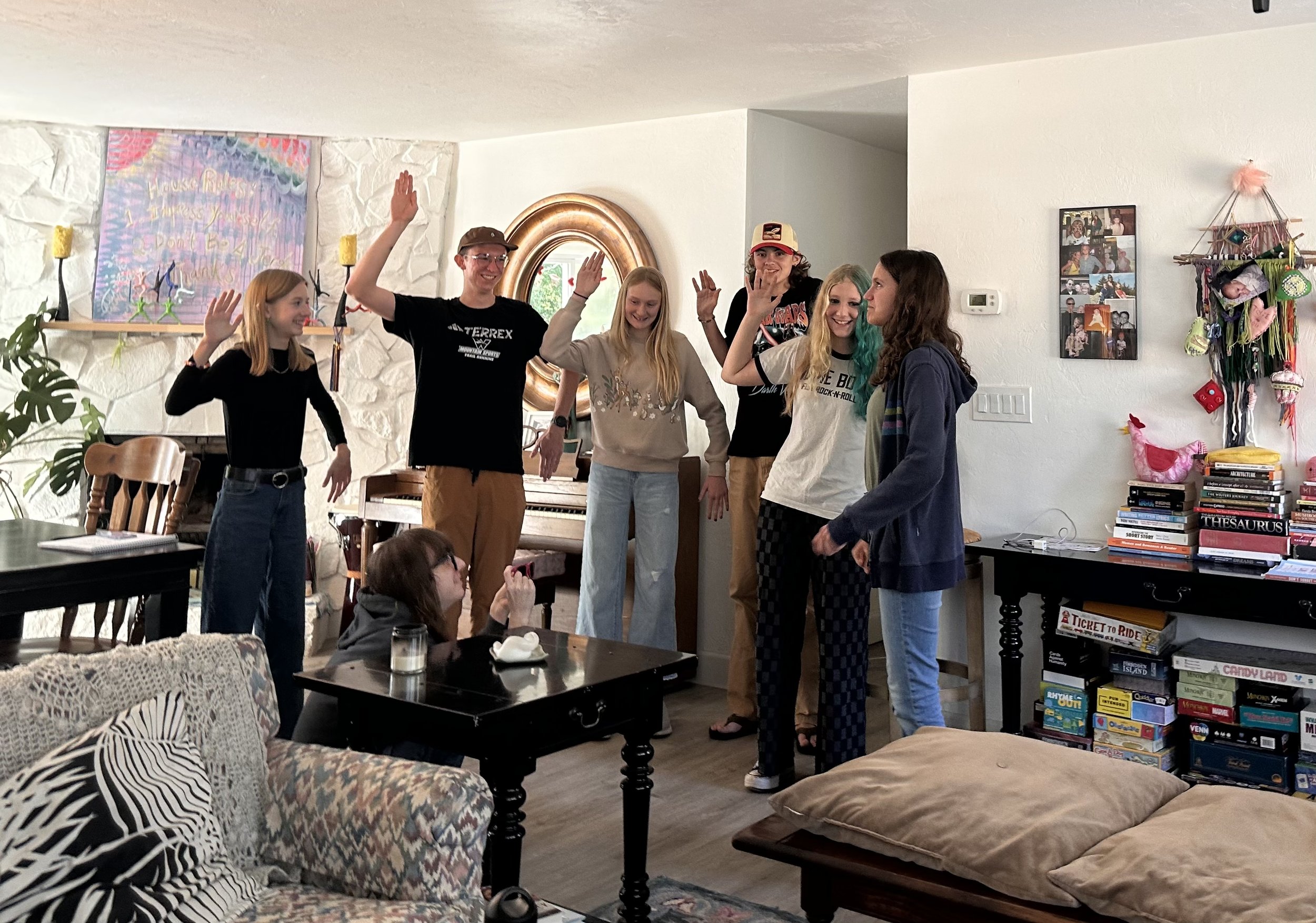
Creative Writing Class: Goblin Market by Christina Rossetti
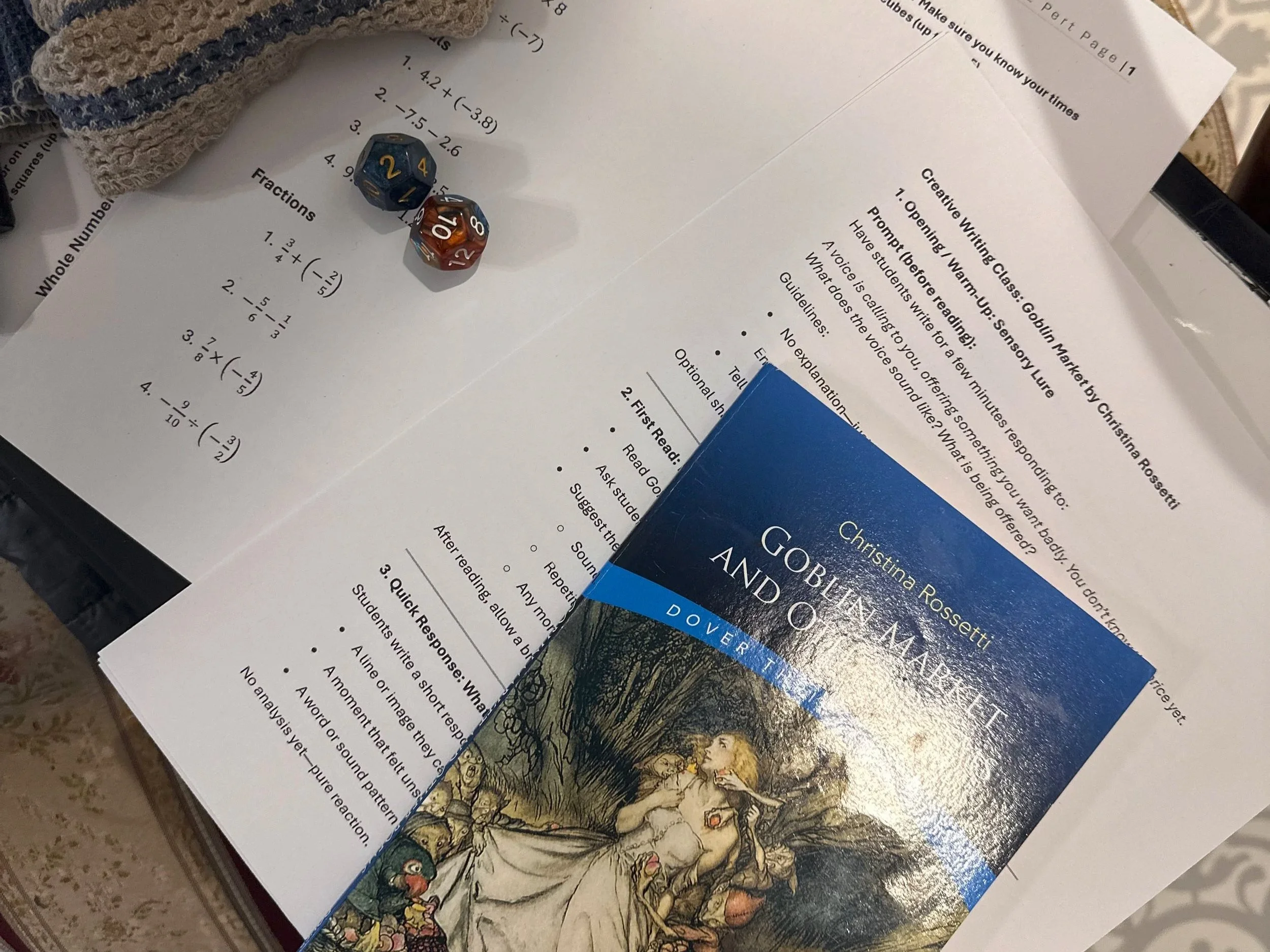
1. Opening / Warm-Up: Sensory Lure
Prompt (before reading):
A voice is calling to you, offering something you want badly. You don’t know the price yet. What does the voice sound like? What is being offered?
Guidelines:
No explanation—just images, sounds, textures, tastes.
Encourage fragments, repetition, or lists.
Tell them they may contradict themselves.
Optional share.
2. First Read: Immersion
Read Goblin Market straight through, without stopping.
Ask students to listen, not annotate.
Suggest they notice:
Sounds and rhythm
Repetition
Any moment that feels intense, strange, or overwhelming
After reading, allow a brief quiet moment.
3. Quick Response: What Stayed With You
Students write a short response answering one of the following:
A line or image they can’t shake
A moment that felt unsettling or powerful
A word or sound pattern they noticed repeating
No analysis yet—pure reaction.
4. Mini Lesson:
Christina Rossetti (1830–1894) was a Victorian poet known for writing poems that feel lush, musical, and deceptively simple. She often explored themes of desire, temptation, faith, restraint, and devotion—especially through rich sensory imagery and symbolism. Living in a period with strict expectations for women, Rossetti frequently used fairy-tale and religious imagery to examine power, sacrifice, and moral choice without directly stating a lesson. Goblin Market, her most famous poem, was initially received as a children’s tale but has since been read as a complex exploration of temptation, sisterhood, and the body.
Key Craft Moves to Highlight
1. Sensory Overload
Rossetti stacks tastes, textures, and sounds until the poem feels almost too full.
Fruit isn’t just fruit—it’s “plump,” “juicy,” “sweet,” “wild,” “forbidden.”
The excess mirrors temptation.
Teaching point:
Temptation in writing often works by overdoing the senses.
2. Repetition as Spell
The goblins repeat cries, fruit names, rhythms.
It feels chant-like, hypnotic.
Repetition replaces logic.
Teaching point:
Repetition can function like persuasion—or pressure.
3. The Body as the Battleground
Desire, fear, punishment, rescue—all happen through physical sensation.
Hunger, sickness, touch, taste.
The poem doesn’t explain morality; it makes us feel consequences.
Teaching point:
Powerful stories let the body experience what the mind can’t explain.
4. Sisterhood / Sacrifice Without Preaching
Rossetti never says “this is the lesson.”
Meaning comes through action and imagery.
The poem trusts the reader.
Teaching point:
Symbolism works best when it’s lived, not explained.
5. Guided Writing: Your Own “Market”
Offer students choice—they select one path.
Option A: The Market
Write a scene where:
Something irresistible is being offered
The seller uses sound, repetition, or sensory language
The cost is unclear—or unspoken
Rules:
No explaining what it “means”
Let the temptation do the work
Option B: The Price
Write from the body after the choice has been made.
Focus on sensation, not regret
What feels different now?
Option C: The Rescuer
Write about someone who intervenes:
They risk something real
Show sacrifice through action, not dialogue
6. Craft Constraint (Optional but Effective)
Add one of the following constraints:
Use repetition of a single phrase or object
Overload one sense (taste, sound, touch)
Write in long, flowing lines or fragments only
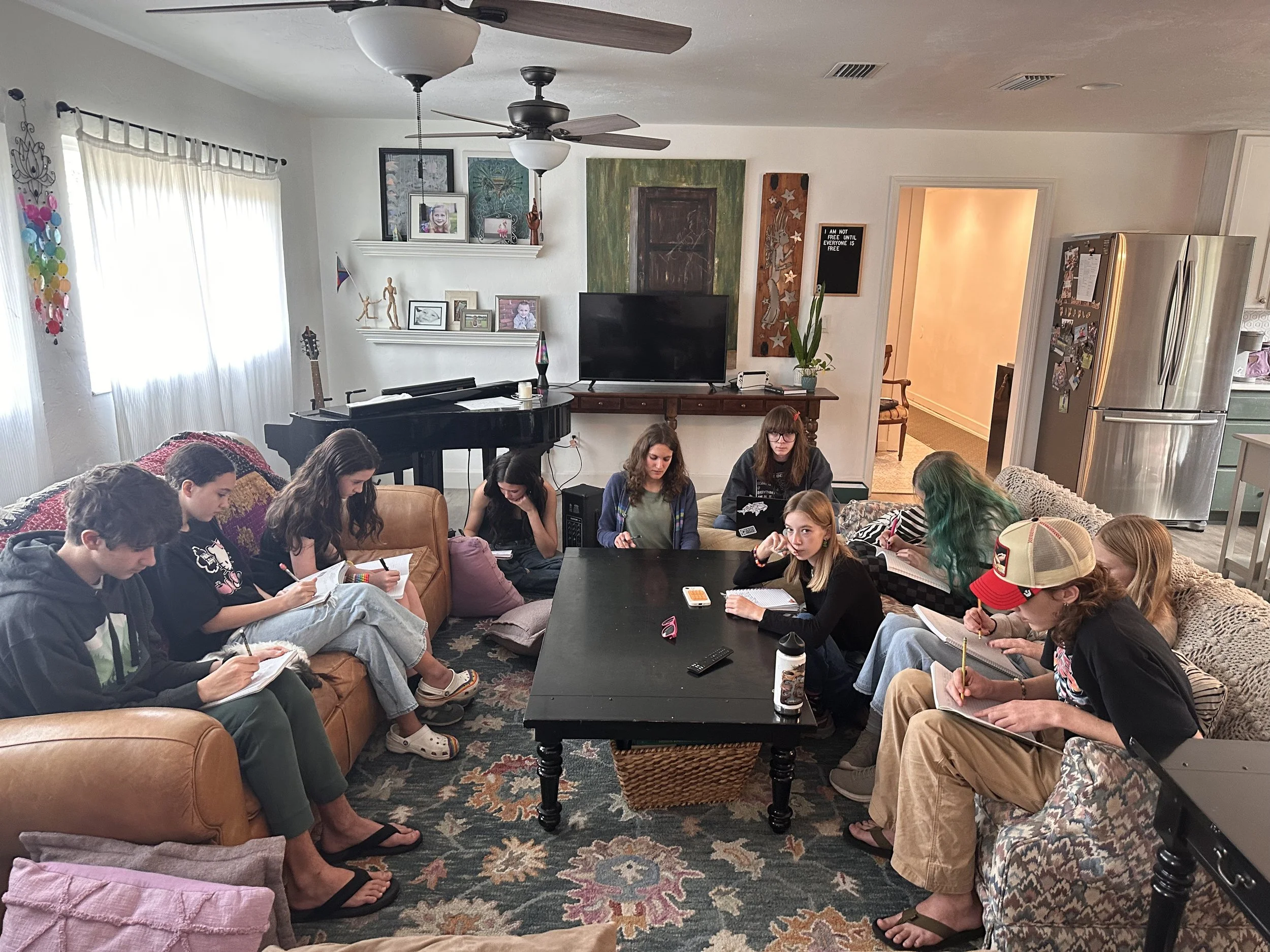
7. Share & Reflect